A World is Not Enough: Pitching A non-D&D Campaign
Familiarity is a difficult thing to overcome, but you can do it if you speak to what’s most important to your players.
As with most Setting First posts, you can either watch the video or read the post, as your preference dictates.
The Dungeoning and the Dragoning
Tell me if you’ve seen this movie or one similar to it. You are the group’s habitual game master. You’ve run all kinds of games in your life, but you’ve been stuck playing D&D for quite a while, and you want to try something new and different.
You come across a game that really strikes your fancy. It’s got an amazing game world full of interesting cultures and a dynamic history and all kinds of interesting stuff that you can dig your teeth into as a GM. The mechanics are smooth and elegant. combat is fast, um, clever, and interesting. Uh, it’s got everything that you want. You run it by the players in your group, and they look at you and say, "Yeah, it sounds kind of like D&D, but why would we want to change from D&D? Why would we want to play this other game?"
It can be aggravating. There are more awesome, amazing game worlds and game mechanics than ever before. But for a lot of people, D&D is it. They won’t even try anything else. If you’re like me and you enjoy many games, but don’t do the dungeoning and the dragoning anymore, it’s tempting to think that D&D is so successful purely because of marketing, brand awareness, or network effects. And all of those things are important. Those are important factors in D&D success. But there are other reasons.
It Says So Right On the Arches
One of these, and I think it’s quite important, is that it’s clear what players and their characters do in D&D. They fight baddies and become heroes. You could run a D&D campaign in which the PCs uncover mysteries without fighting. You could run one in which they engage in all kinds of political intrigue or backstabbing, fighting the good guys. You could do all those things. You can drift D&D in whatever direction you want, but that’s not really primarily what people come to D&D for, and that’s certainly not how it’s perceived. Even among people who’ve never played D&D, just out there in popular culture, it’s well understood that the point of D&D is to solve problems through fighting and therefore be rewarded with treasure and leveling up.

Put another way, it’s like McDonald’s. You might not want to eat it every day or most days. But when you’re on the road and you’re hungry, you know what D&D is. Wilbur’s Diner over there on the corner, you’re not so sure about. So yeah, you’ll take the Big Mac and Fries.
These Games Do It Well
There are other role playing games that have stood the test of time. I’ll call these second tier games. They’re not as popular as D&D, but they’re well-known and they’ve been played for a long, long time. I’m talking about games like Call of Cthulhu, Shadowrun, and Vampire: The Masquerade. I believe part of the reason that these games have endured in the way that they have is that they’re very clear about what kind of cool, well-definfined activities player characters and players are supposed to be doing.
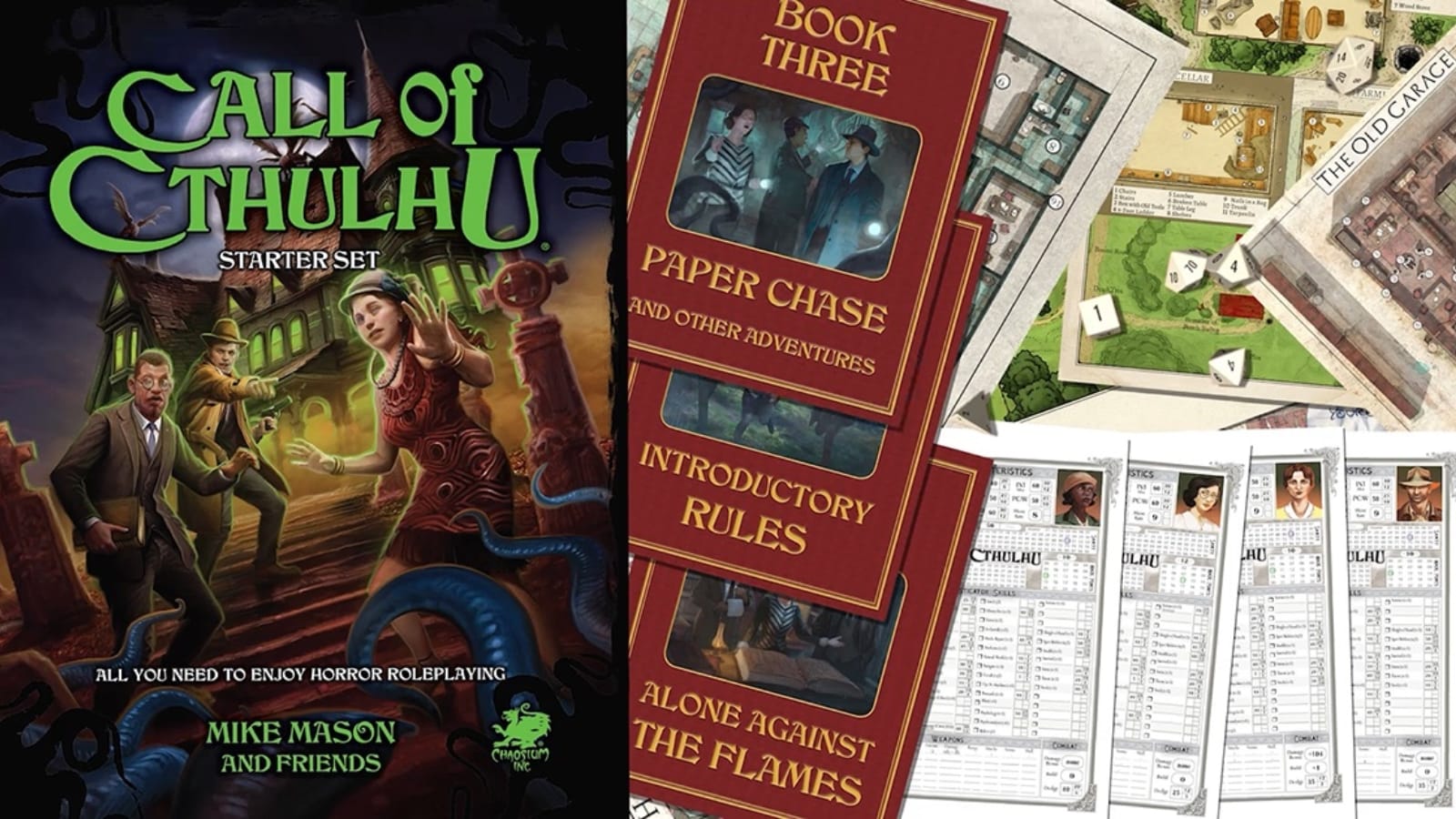
In Call of Cthulhu, you explore mysteries that eventually drive your characters insane. In Shadowrun, you’re lowlifes who take part in covert ops against big corporations in order to make a few nuyen. In Vampire: The Masquerade, you navigate vampire politics while fighting The Hunger inside you. It’s obvious in these games what kind of adventures the players and their characters will be getting into. It’s obvious what the game is about.
Do Put A Fine Point On It
Now, let’s go back to that game that the GM wants to use for a campaign. The game world and the mechanics are compelling, but you as the GM need to know and convey to the players what they’re going to be doing in the campaign, even if the game doesn’t clearly articulate that.
This points to something that I’ve seen over and over again – games that offer many possibilities but little direction. They don’t make it clear what players are there to do.
RuneQuest, which is the game I used in the example at the beginning of this essay, is a great example of this. If you want to get a bunch of D&D players interested in RuneQuest, it’s not enough to tell them that the game is full of magic and wonder or to tell them that the mechanics are more intuitive and flexible than D&D. You need to tell them what your RuneQuest campaign is going to be about and why it’s different from what they’re used to getting from D&D.
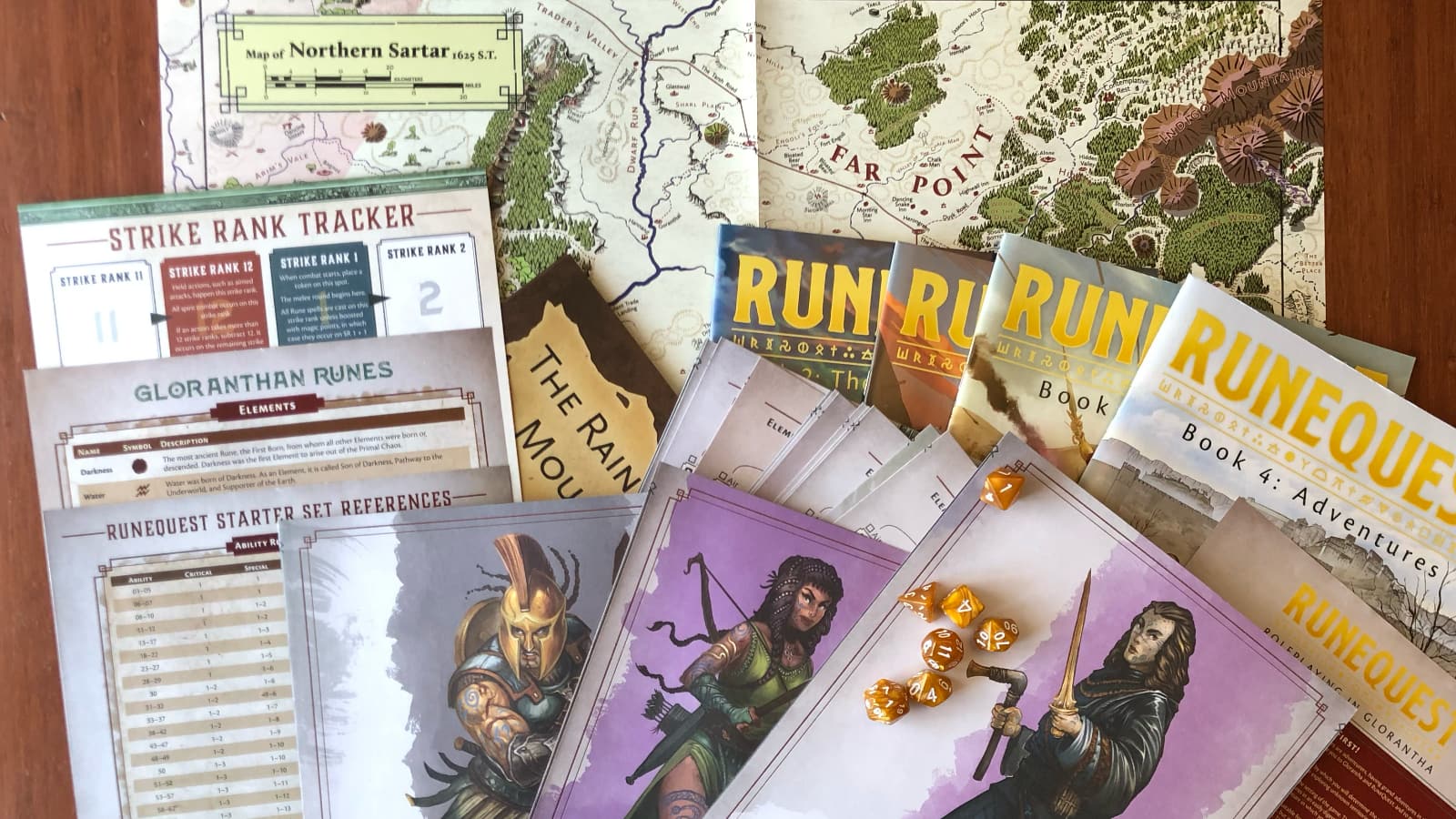
You could lay it out as something like this: In RuneQuest, you fight Chaos, the enemy that seeks to devour your world. And in so doing, you can become heroes who save your homeland and change history. This narrows the scope of possibilities, but gives the player something tangible to grab onto. It also clearly distinguishes RuneQuest from D&D without falling into the “It’s like D&D, but...“ trap. When you frame a game as like D&D but varying in some minor way, the obvious question is, ”Well, why not just play D&D then?”
Don’t lead with mechanical differences. These can be learned by players along the way, and for most players are actually far less important than game masters think. The setting and what their characters will do in it can and should grab them. This is the hook we’re talking about, the premise that hopefully gets the players excited about the game once they start playing.
Broaden As You Go
Assuming the mechanics in the world are to their liking, they’ll naturally learn more about the setting. And as they go deeper and deeper into the game world, they’ll inevitably see broader options for their player characters. And you, as the GM, will have some latitude to open things up a bit.
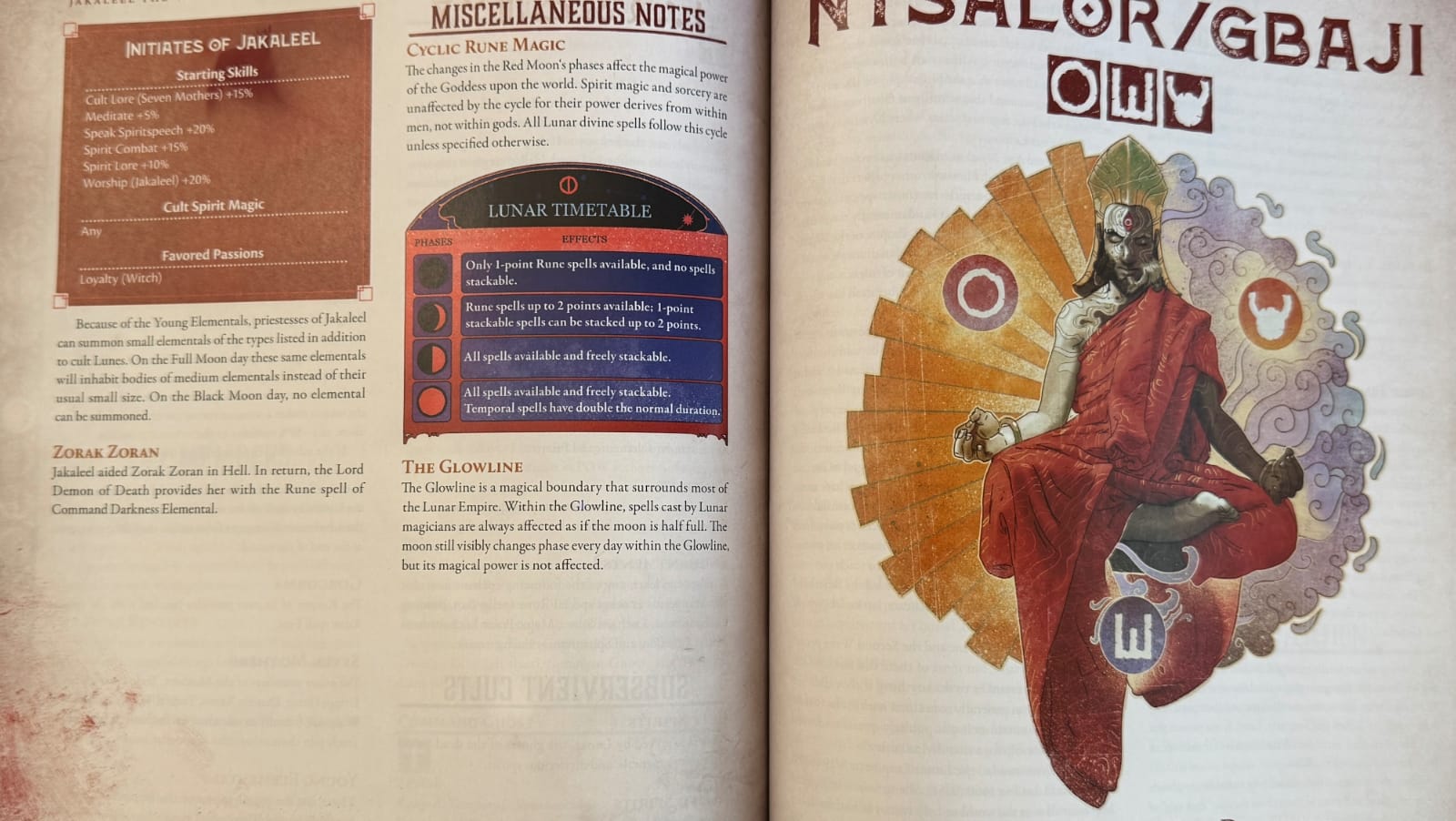
For example, if you position your RuneQuest campaign as one in which the PCs are just there to confront Chaos, they’ll come to notice rather quickly that the Lunar Empire tolerates Chaos. Not cool. Not cool at all. Perhaps directly taking on the Lunars here and there makes some sense. Perhaps confronting the dangers of Snake Pipe Hollow in order to gain powerful magical artifacts which could then be used against Lunars makes sense.
Make the Choice Easy
This approach of narrowing the focus of a game that has much more to offer may seem a bit ridiculous and counterintuitive, but it dovetails nicely with human psychology. We think we want lots of options, but actually our brains don’t do very well with that. Science tells us that too many options leads to decision paralysis, which in turn leads us to default to what we’re used to. And in the case of tabletop RPGs, that default is usually D&D.

So if you’re looking to wean your players off D&D and run a campaign using a Setting First type of game, be sure you provide a succinct and compelling elevator pitch laying out what the player characters will do in your campaign, even if the game itself doesn’t make it clear.
They Nailed It
If you want an example of lesser-known games that do an excellent job of clearly stating what the player characters do in a campaign, here are a couple:
- I’ve made posts about Delta Green before. It’s an amazing game. You work for a secret government agency and your job is to keep the public from finding out that sinister forces are manipulating events on Earth. What you’re there to do is quite clear, even if actually accomplishing your missions can be quite challenging.
- In Lex Arcana, you serve the Roman Emperor. Your job is to thwart the actions of nefarious magical conspiracies that threaten the empire. It’s another very clear premise, even if carrying out the missions gets complicated.
How Have You Pulled D&D Players Into A Setting First Campaign?
If you’ve successfully lured D&D players into a game like RuneQuest, Symbaroum, Degenesis, The One Ring, Eclipse Phase, Blue Planet, Lex Arcana, or Delta Green, how did you do it, and how did the campaign go? Let us know in the small but mighty Setting First Discord.
Ω